Recycling
What Is recycling?
Why is recycling important? And what are the benefits of it?
Fun Facts about recycling!
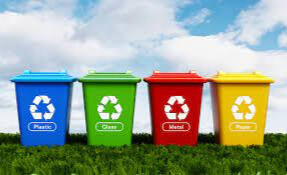
Credits
What is recycling?
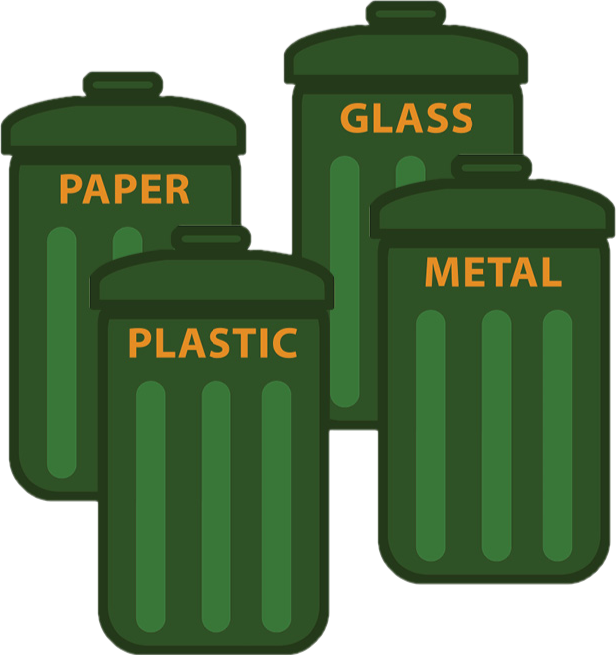
Recycling is the process of converting waste materials into new materials and objects. The recovery of energy from waste materials is often included in this concept. The recyclability of a material depends on its ability to reacquire the properties it had in its virgin or original state.
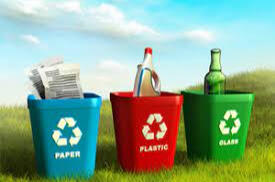
Why is recycling important? And what are the benefits of it?
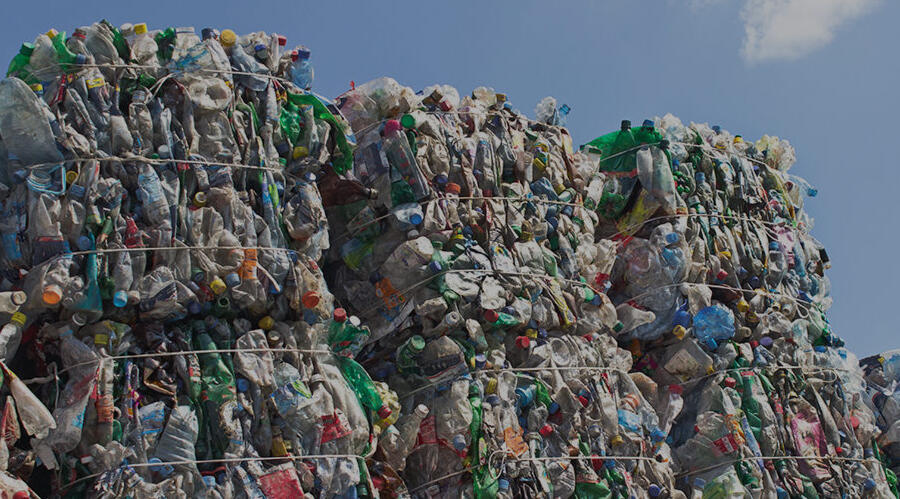
Recycling reduces the need for extracting (mining, quarrying and logging), refining and processing raw materials all of which create substantial air and water pollution. As recycling saves energy it also reduces greenhouse gas emissions, which helps to tackle climate change.
Benefits of recycling
Reduces the amount of waste sent to landfills and incinerators.
Conserves natural resources such as timber, water and minerals.
Increases economic security by tapping a domestic source of materials.
Prevents pollution by reducing the need to collect new raw materials.
Saves energy
Fun facts about recycling!
GLASS CAN BE RECYCLED OVER AND OVERAMERICANS DON’T MEET THEIR RECYCLING POTENTIALPAPER RECYCLING IS RISING DRAMATICALLYSAVES ENERGY